Pet insurance, condition by condition

Breed tells you what to watch for. A condition tells you what a claim actually looks like. Each guide below takes one diagnosis apart: the signs at home, how a veterinarian confirms it, the treatment paths in general terms, and the exact policy clauses that decide whether insurance helps when it happens to your pet.

Browse the condition guides Start from your breed instead

Why condition guides exist alongside breed guides

The same condition appears in many breeds. Disc disease is the headline risk for a Dachshund, a real risk for a French Bulldog, and a senior years risk for a German Shepherd. A breed guide covers it as one card among several. A condition guide gives it the whole page, because owners searching at midnight are searching by the condition, not by the breed.

Conditions are where policy wording bites. Hereditary classifications, spinal and orthopedic waiting periods, bilateral rules, and repeat episode handling are all written condition by condition in a policy. Reading about your pet's likely condition, in depth, is how you learn which clauses to check before you enroll.

Signs are shared too. A wobbly walk, a refusal to jump, or a litter box emergency means the same first steps whatever breed is in front of you. The guides here sort those signs by what to do next, so the page is useful on the worst night, not only at comparison time.

Condition guides

Thirteen guides are live today, and the section keeps growing one thoroughly researched condition at a time rather than all at once.

A Dachshund curled up asleep in a grey knitted blanket on a sofa, resting quietly at home

IVDD in dogs

  • Spine
  • Dogs
  • Emergency signs included

Intervertebral disc disease is the condition behind most back emergencies in long-bodied dogs. The guide covers the signs sorted by urgency, diagnosis by exam and imaging, rest versus surgery, and the hereditary and waiting period clauses that decide claims.

Top question: Is disc disease covered for your dog's breed, and would one earlier sore back note make it pre-existing?

Read the IVDD guide →
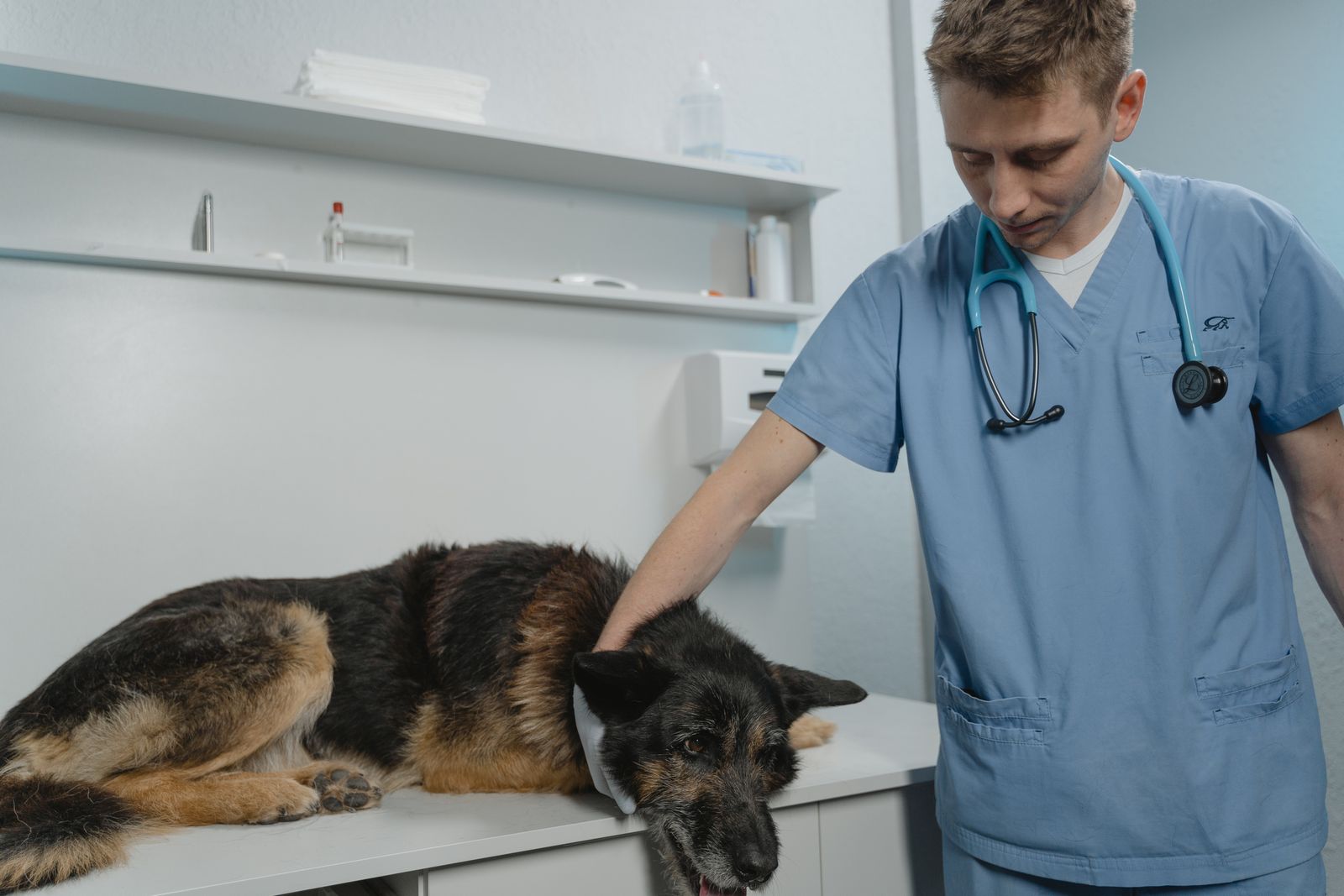

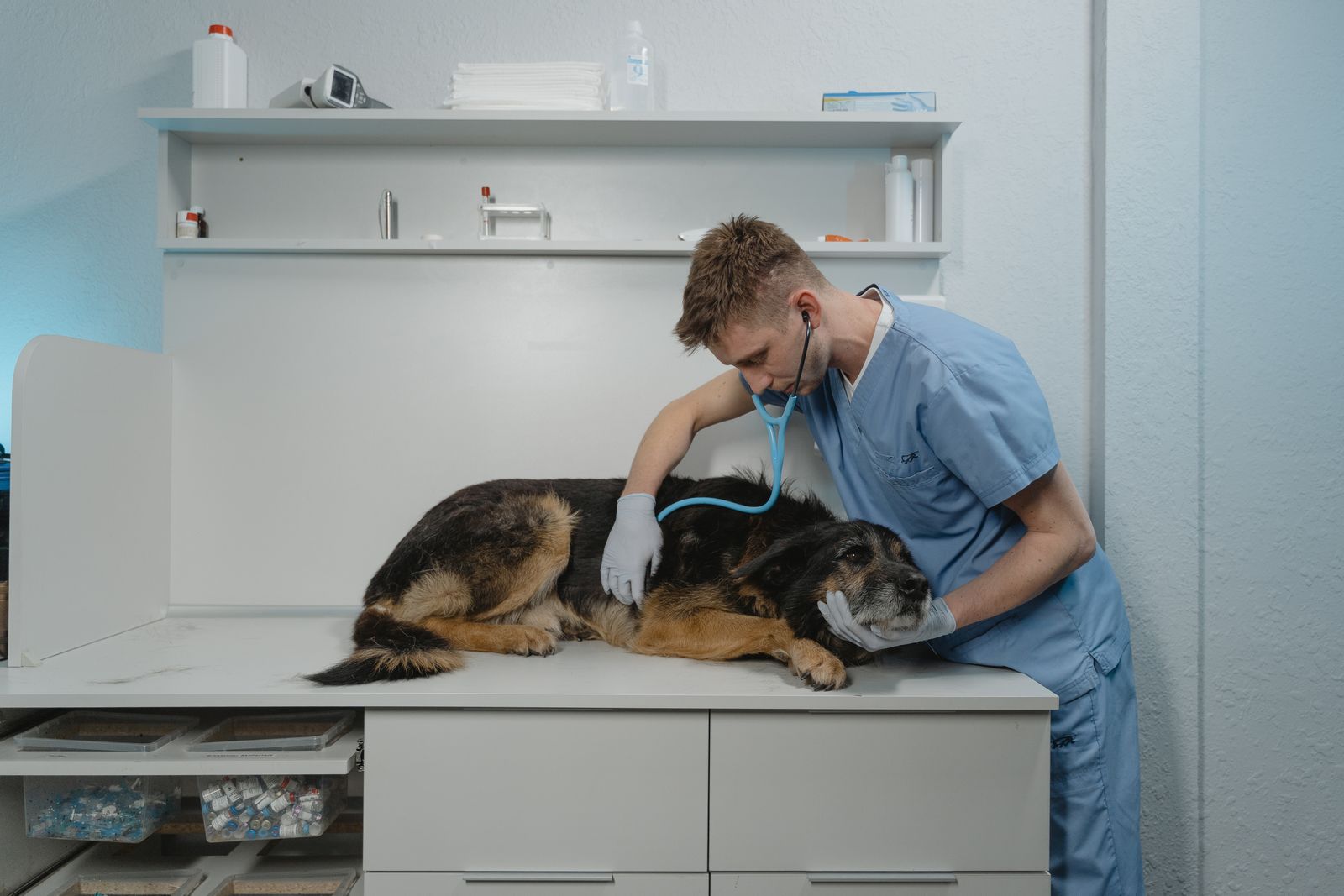
A veterinarian in blue scrubs beside a German Shepherd lying calmly on a clinic exam table

Hip dysplasia in dogs

  • Joints
  • Dogs
  • Screening compared

Hip dysplasia starts as a loose hip joint in a growing dog and becomes arthritis over time. The guide covers OFA and PennHIP screening side by side, the signs sorted by what to do next, treatment from weight and medication to hip replacement, and the hereditary, bilateral, and orthopedic waiting period clauses that decide claims.

Top question: Is hip dysplasia covered for your dog's breed, and how will the policy treat the second hip after the first?

Read the hip dysplasia guide →
A white and tan Bulldog resting on a dark rug indoors, calm and asleep

BOAS in dogs

  • Airway
  • Dogs
  • Emergency signs included

Brachycephalic obstructive airway syndrome is the breathing condition behind most airway disputes in flat-faced dogs. The guide covers the signs sorted by urgency, Cambridge functional grading from 0 to III, diagnosis under anaesthesia and by imaging, management versus surgery in general terms, and the breed condition and elective surgery clauses that decide claims.

Top question: Is BOAS covered for your dog's breed, is corrective airway surgery treated as treatment or as elective, and would one earlier snoring note make it pre-existing?

Read the BOAS guide →
A kitten standing on a veterinary examination table during a check-up

Skin allergies and atopic dermatitis in dogs and cats

  • Skin
  • Dogs and cats
  • Chronic condition

The lifelong itchy condition, in both species. The guide covers the signs in dogs and in cats sorted by next step, how vets separate atopy from flea allergy and food allergy, allergy testing and immunotherapy, and the classification clauses that decide whether year two is still covered.

Top question: Is your pet's allergy classed as a chronic condition that stays covered at renewal, or as a curable condition that can drop out of cover after treatment?

Read the skin allergies guide →
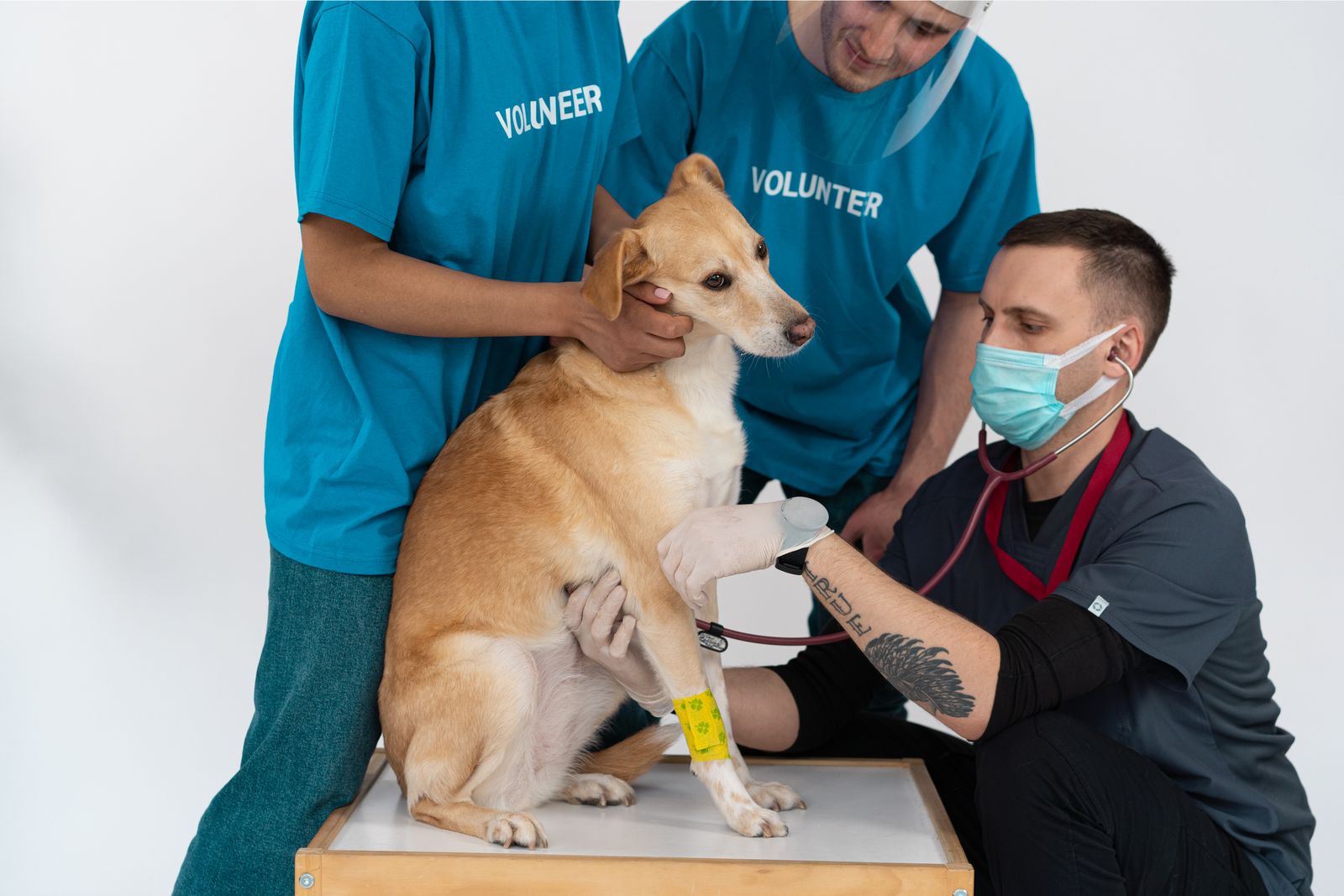
A veterinarian examining a tan dog seated on a clinic platform, supported by two assistants

Cruciate ligament injuries in dogs

  • Joints
  • Dogs
  • Second knee rules

A cruciate tear usually finishes a ligament that was already weakening, and the same process is often under way in the other knee. The guide covers the signs sorted by urgency, diagnosis by hands-on knee tests and imaging, surgical and conservative paths, and the bilateral rules and ligament waiting periods that decide claims.

Top question: If the first knee tears while you are covered, will the policy still cover the second knee, and how long is the cruciate specific waiting period before either knee counts?

Read the cruciate ligament guide →
A veterinarian listening to a dog with a stethoscope on a clinic table while an assistant supports the dog

GDV (bloat) in dogs

  • Emergency
  • Dogs
  • Deep-chested breeds

Gastric dilatation-volvulus is the midnight emergency of deep-chested dogs: the stomach fills with gas and can twist, and only an emergency hospital can help. The guide covers the signs that mean go now, why minutes matter, what happens at the emergency clinic, gastropexy as prevention, and how an emergency claim works when there was no time to call anyone first.

Top question: Is emergency GDV surgery covered without approval in advance, and would a preventive gastropexy be treated differently?

Read the GDV guide →
A veterinarian in blue scrubs beside a large dog lying calmly on a clinic exam table

Epilepsy in dogs

  • Brain and nerves
  • Dogs
  • Seizure log included

A diagnosis reached by ruling everything else out: the exclusion workup, lifelong daily medication, and why the record of the very first seizure decides later claims. Includes a seizure log template that serves the vet and the claim file at once.

Top question: Is the exclusion workup covered (bloodwork, neurology referral, MRI and spinal fluid testing), and will a covered chronic condition stay covered at renewal for the life of the dog?

Read the epilepsy guide →
A veterinarian in blue scrubs and gloves listening with a stethoscope to a large black dog on a clinic examination table

Cancer in dogs

  • Cancer
  • Dogs
  • Side by side questions

Cancer in dogs is not one diagnosis. The guide covers the common types in plain language, signs sorted by what to do next, the staging, biopsy, and imaging pathway that arrives before treatment, and the annual limits and chemotherapy and radiation wording that decide what a policy really does.

Top question: Are staging, chemotherapy, and radiation covered for your dog, and can the annual limit hold a full course of care in one policy year?

Read the cancer guide →
A silver tabby cat lying calmly on a sunny windowsill at home, relaxed and alert

HCM in cats

  • Heart
  • Cats
  • Screening worksheet included

Hypertrophic cardiomyopathy is the silent heart condition of cats, usually found by screening rather than by symptoms. The guide covers what a murmur does and does not prove, how the Maine Coon and Ragdoll DNA tests differ from the echocardiogram that actually diagnoses HCM, the ACVIM stages in plain language, and the hereditary, screening, and diagnosed-but-asymptomatic clauses that decide claims.

Top question: If a scan diagnoses HCM in a cat with no symptoms, is that date the start of the condition, and would an earlier murmur note make it pre-existing?

Read the HCM guide →
A long-haired ginger and white cat drinking from a glass of water in warm sunlight at home

Chronic kidney disease in cats

  • Kidneys
  • Cats
  • IRIS staging explained

The senior cat condition, explained and staged in plain language: the early drinking and urination signs, what bloodwork, urine testing, and blood pressure checks actually involve, and the chronic and monitoring clauses that decide whether a policy keeps helping year after year.

Top question: Will a policy keep covering kidney disease at renewal, and does it pay for the repeat monitoring that is most of its care?

Read the kidney disease guide →
An orange and white cat stepping out of a plain litter box at home beside a large potted plant

Urinary blockage and FLUTD in cats

  • Urinary tract
  • Cats
  • Warning signs card included

For this group of conditions, output is the dividing line, not straining. The guide covers the litter-box warning signs sorted by what to do next, what happens at the clinic for a blocked and an unblocked cat, why episodes come back, and the repeat-episode and pre-existing clauses that decide what a policy does at episode two.

Top question: After a first blockage or FLUTD episode, how does the policy classify the condition, and is a second episode covered or treated as pre-existing?

Read the urinary blockage guide →
A brown dog with a pink collar eating from a white bowl on a wooden floor in a bright living room

Diabetes in cats and dogs

  • Daily care
  • Cats and dogs
  • Renewal scenario included

The daily management condition, in both species. The guide covers the signs sorted by next step including the ketoacidosis emergency, how dogs and cats differ, glucose curves and fructosamine in plain language, the cat remission question, and the chronic classification, medication, and supplies clauses that decide whether year two is still covered.

Top question: Is your pet's diabetes classed as a chronic condition that stays covered at renewal, and are the insulin, supplies, and monitoring it needs every month actually inside the covered wording?

Read the diabetes guide →
A tabby and white cat resting its head and paw on a soft blanket at home

Hyperthyroidism in cats

  • Thyroid
  • Cats
  • Kidney link explained

The senior cat condition that speeds the whole body up. Four treatment paths, four different policy clauses, and the kidney disease that treatment can reveal.

Top question: Will kidney disease that only appears after thyroid treatment still be covered, or classed as pre-existing because it was masked?

Read the hyperthyroidism guide →

How these guides are researched

Health facts come from veterinary schools and hospitals, the relevant veterinary colleges and consensus bodies, and named veterinary references. Each guide names its own sources at the end, with a checked date, so you can verify the medicine yourself. Insurance content never invents a price, a waiting period, or a coverage promise. Where insurers differ, the guide gives you the exact question to ask the insurer in writing instead of guessing.

Looking for your pet first? The dog breed guides and the cat breed guides cover conditions breed by breed. New to the subject entirely? Start with how pet insurance works.