Cat insurance, breed by breed

Insurers price a policy around the cat in front of them, and breed is one of the strongest signals they use. Each guide below goes deep on one breed: the health conditions it tends to develop, what those conditions look like at home, the exact policy clauses that decide whether a claim gets paid, and a step-by-step example of a claim.

Find your breed New to pet insurance? Start here

Why breed matters for cats

Inherited conditions leave a paper trail. Several cat breeds carry conditions that pass through bloodlines, and each one can be looked for in a different way. A DNA test checks for one known gene change. An ultrasound shows an organ as it looks today. Blood and urine tests show how well an organ is working right now. Those are three different records, and an insurer can treat each of them differently when a claim arrives. Every guide on this page separates them, so you know what the papers in your cat's file actually prove.

Indoor life changes slowly, then all at once. Many of these breeds live indoors and are good at hiding illness. Weight creeps on a little at a time. Teeth deteriorate quietly. Litter box habits shift before anything looks like an emergency, and in a male cat a urinary problem can become an emergency in a single night. For cats, the recurring moderate claim matters as much as the one dramatic bill.

Cats spend a long time being senior. A cat that lives into its teens spends many years in the stage where kidney, heart, dental, and metabolic conditions are managed rather than cured. That makes renewal wording, the rules that decide whether a condition the policy already paid for stays covered next year, central to choosing a policy for a kitten.

Cat breed guides

Search by breed name, or tap a concern to narrow the list. Every guide covers the breed's conditions in depth, a policy decision table, life stage advice, a worked claim example, and answers to the questions owners of that breed actually ask.

Showing all 6 breed guides.

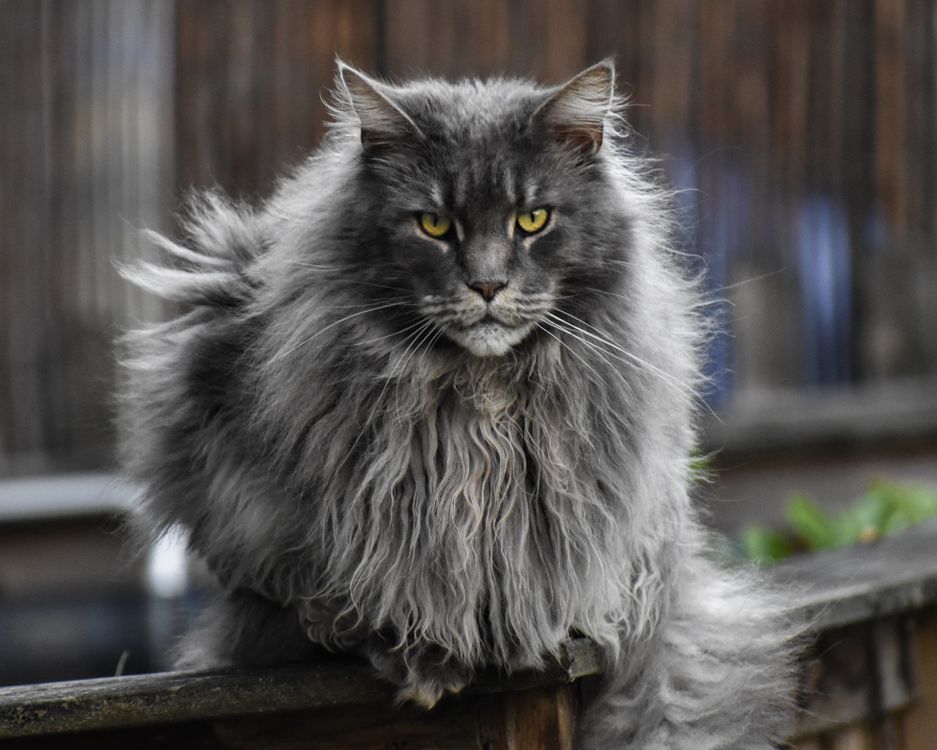
A grey Maine Coon with a long shaggy coat sitting on a wooden fence

Maine Coon

  • Large
  • Matures at 4–5 years
  • Long coat

A slow maturing giant whose central insurance question is the heart. A DNA test can be clear while heart disease still develops later, and a heart scan can be normal one year and change at a later check.

Top question: How does the policy treat heart screening over time, and a heart condition that appears years after a clear test?

Read the Maine Coon guide →
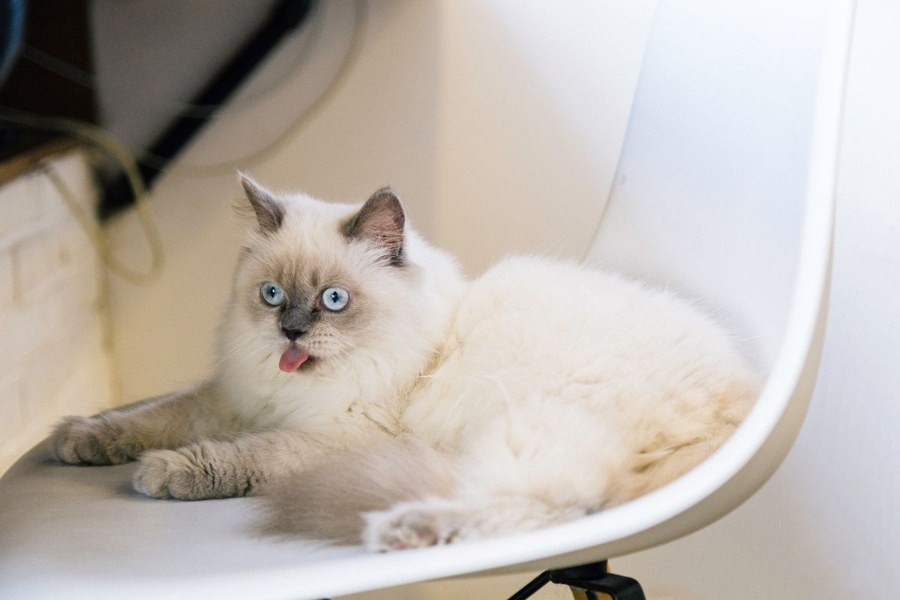
A pointed Ragdoll cat with blue eyes lying on a white chair with its tongue out

Ragdoll

  • Medium to large
  • Full color at about 3 years
  • Blue-eyed and pointed

Calm, gentle, and easy to live with, which is exactly why its serious problems can be missed. Heart muscle can thicken silently, and a male Ragdoll's urinary tract can block overnight.

Top question: If a male Ragdoll strains in the litter box and cannot urinate, does the policy cover the emergency care and the follow-up if it happens again?

Read the Ragdoll guide →
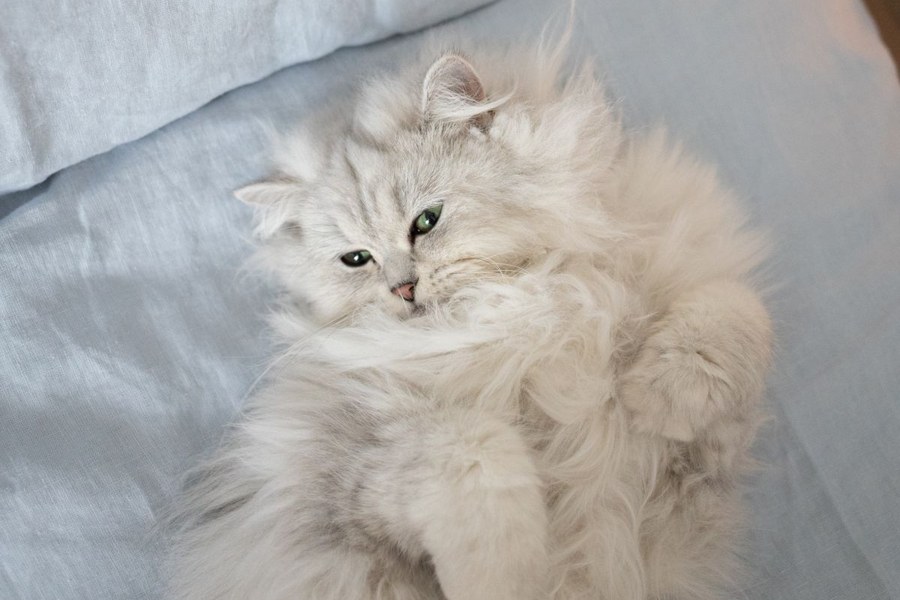
A white Persian cat with a long full coat lying on its back on a bed

Persian

  • Medium to large
  • Long coat, daily grooming
  • Flat face

Two facts shape this breed's insurance picture: an inherited kidney condition whose cysts grow quietly for years, and a very short, flat face that crowds the nose, eyes, tear ducts, and teeth.

Top question: How does the policy treat a kidney DNA result, an ultrasound finding, and kidney disease that develops years later, each on its own?

Read the Persian guide →
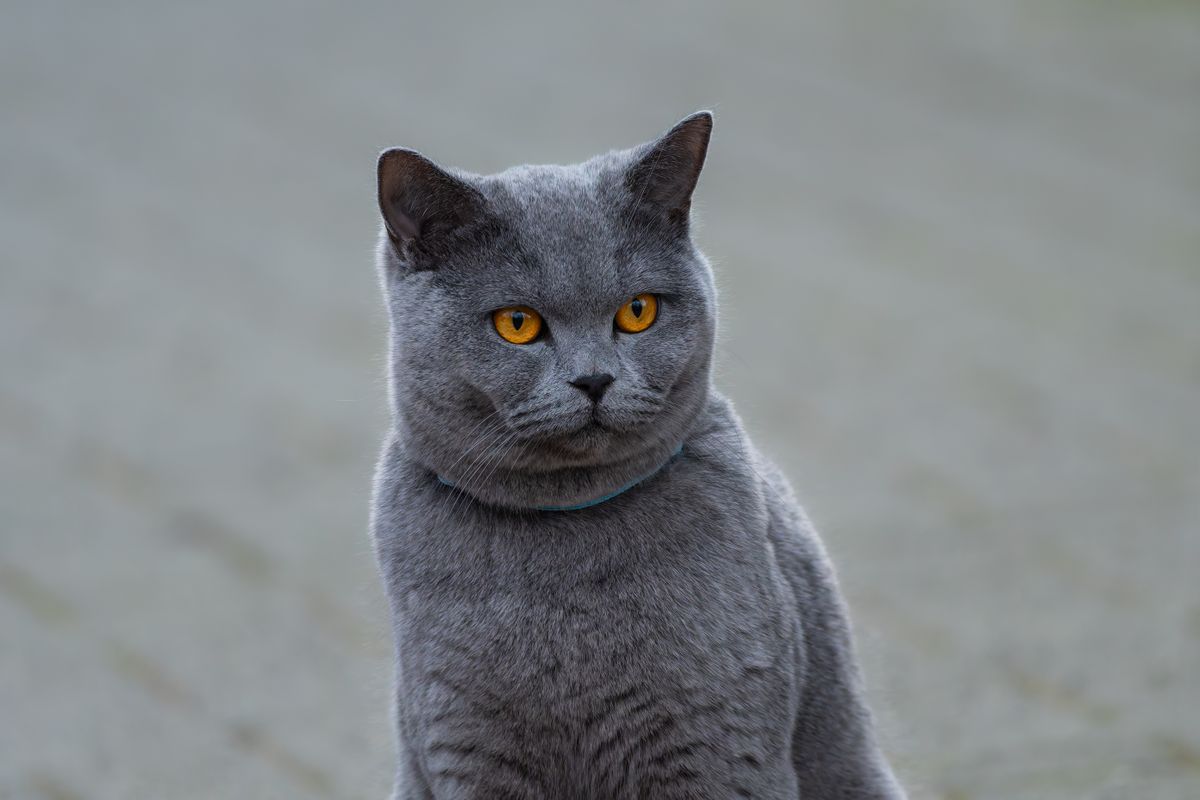
A blue British Shorthair cat with amber eyes sitting outdoors

British Shorthair

  • 9–18 lb
  • Matures at about 3 years
  • Dense short coat

A quiet, solid indoor cat whose risks build slowly and in silence: a heart that thickens without obvious signs, weight that creeps on month by month, and conditions managed for years once they appear.

Top question: If a vet hears a murmur, does the policy pay for the heart ultrasound and the monitoring after, or only once there is a diagnosis?

Read the British Shorthair guide →
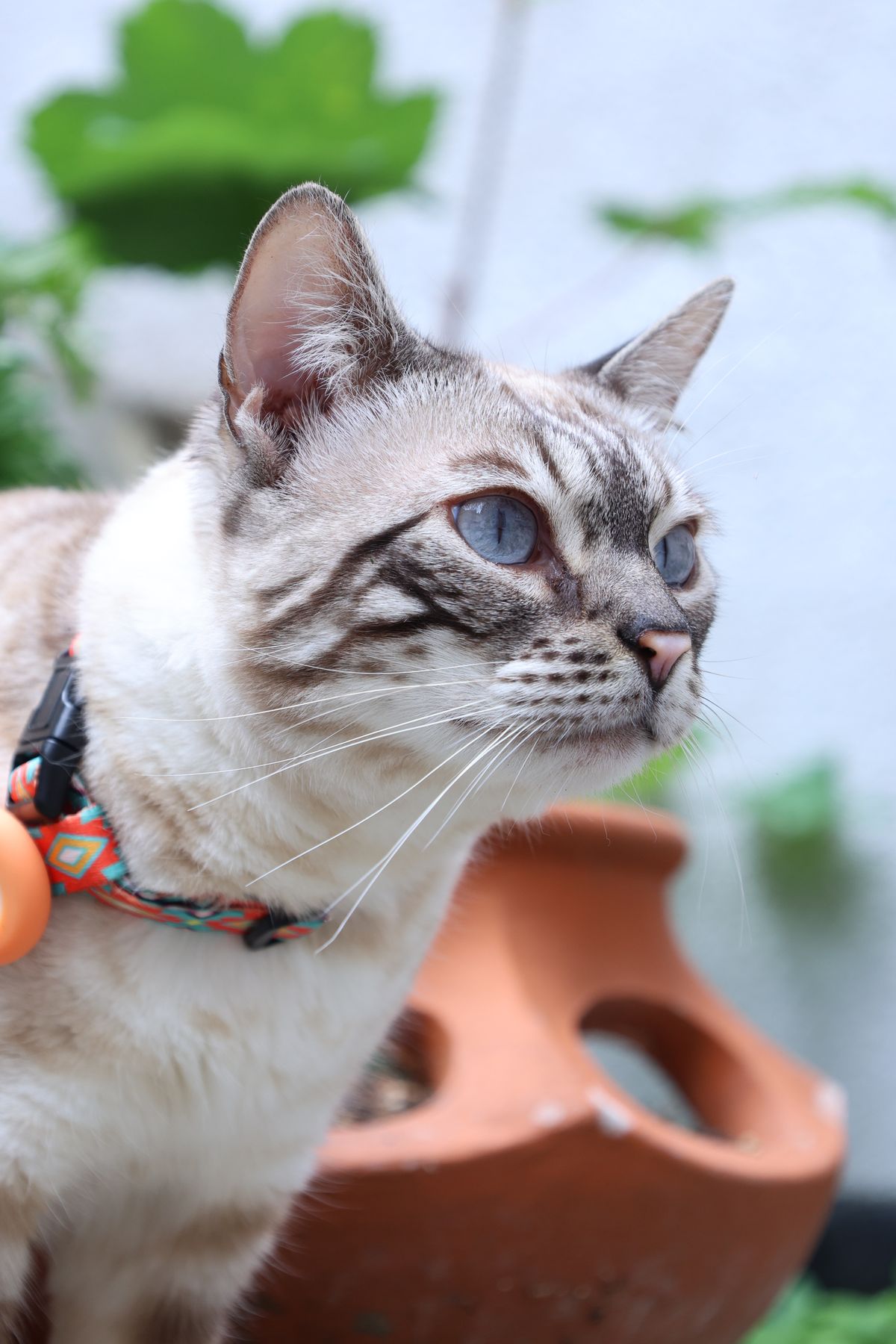
A lynx point Siamese cat with blue eyes wearing a collar in a garden

Siamese

  • Medium and svelte
  • Long lived
  • Short, pointed coat

Vocal, social, and impossible to ignore when something changes, which helps. The breed's most serious risks are internal, though, and they are named by testing, not by looking at the cat.

Top question: Does the policy pay for the tests that rule other diseases out, or only for treatment once a condition has a name?

Read the Siamese guide →
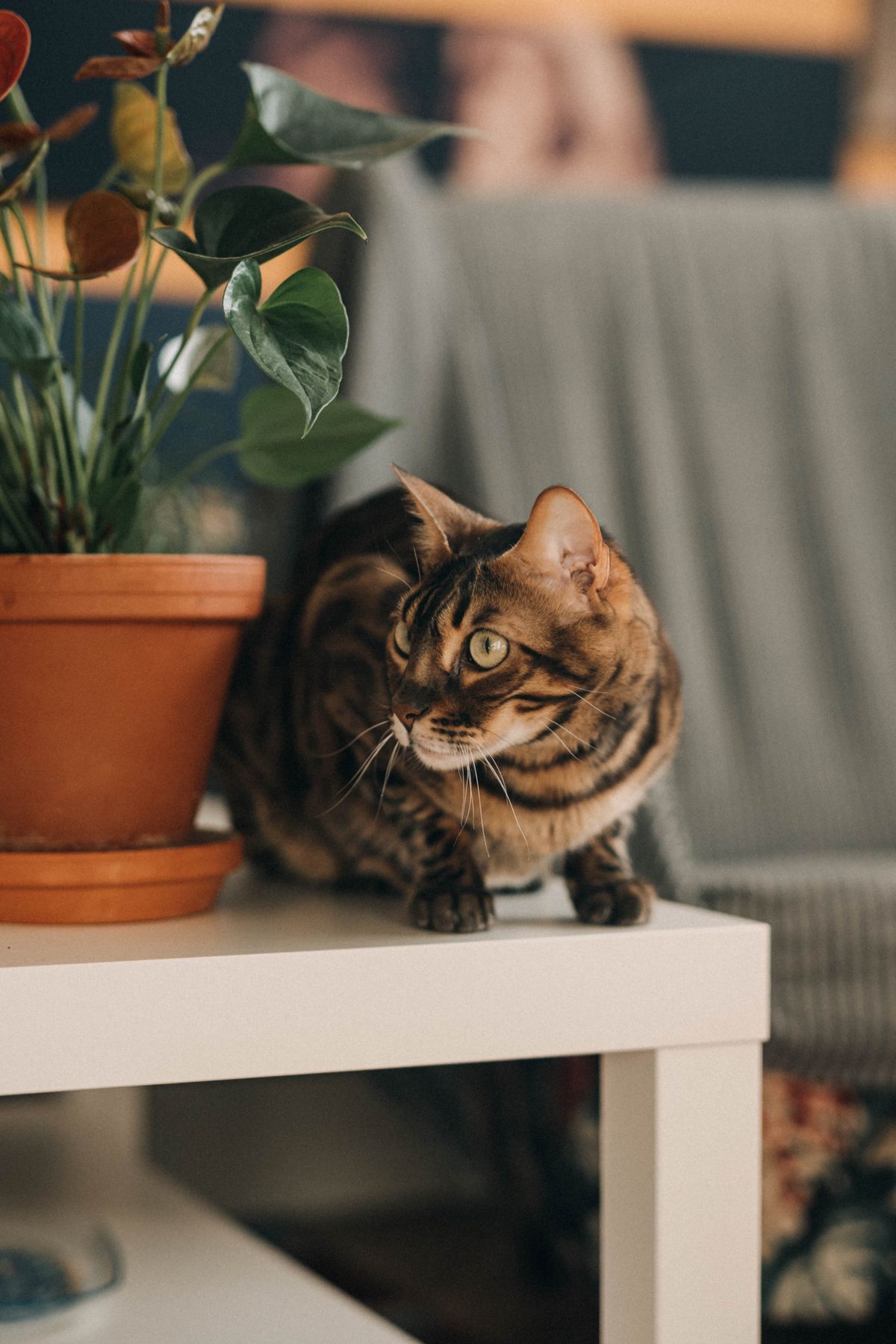
A marbled Bengal cat sitting on a shelf next to a terracotta plant pot

Bengal

  • 6–15 lb
  • Spotted or marbled coat
  • High energy

An athletic, wild looking cat whose insurance value sits in testable inherited conditions of the eyes and blood, plus heart screening, plus the accidents an intensely active cat can find.

Top question: Are inherited eye and blood conditions covered in full, and how are a breeder's DNA results treated when you enroll?

Read the Bengal guide →

All six breeds at a glance

Size, build, and coat details come from the Cat Fanciers' Association and The International Cat Association breed pages, the same registry sources the guides themselves use. Tendencies are the conditions each breed is known to be prone to. They are possibilities to plan around, not predictions for an individual cat.

Cat breed comparison: size, coat, health tendencies, and the policy feature that matters most
BreedSize and buildCoatMajor health tendenciesPolicy feature that matters most
Maine CoonLarge, heavily boned, slow to matureLong, all-weather, with a ruffHeart muscle thickening, hip dysplasia, spinal muscular atrophy, a blood enzyme deficiency, mouth inflammation, eyelid problemsHeart wording over time: how screening scans, DNA results, and later heart disease are treated across renewals
RagdollMedium to large, solid and rectangularModerately long, pointed, blue eyesHeart muscle thickening, polycystic kidney disease, bladder stones and urinary blockage, kidney disease, dental diseaseEmergency urinary care plus hereditary coverage, with the rule for a repeat blockage in writing
PersianMedium to large, short and cobbyLong and full, daily combingPolycystic kidney disease and later kidney failure, flat-face airway trouble, crowded teeth, eye problems, inherited retinal degenerationHow a DNA result, an ultrasound finding, and kidney function tests are each treated before any diagnosis exists
British ShorthairMedium to large, compact, about 9 to 18 poundsShort and very denseHeart muscle thickening, kidney cysts through Persian ancestry, weight gain and diabetes, urinary stones, dental disease, arthritisMonitoring and renewal wording for conditions managed for years, plus cardiology diagnostics
SiameseMedium, long and svelteShort, fine, and pointedAsthma, inherited retinal degeneration, amyloid protein deposition, gut disease, dental disease including tooth resorption, senior kidney diseaseDiagnostics coverage: the tests that name the disease, not only the treatment that follows
BengalMedium to large, athletic, about 6 to 15 poundsShort, spotted or marbledInherited retinal degeneration, a blood enzyme deficiency, heart muscle thickening, cataracts, kneecap problems, a breed nerve conditionHereditary coverage in full, and a written rule separating a DNA carrier result from a diagnosis

Choose your starting point

By life stage

Kitten. The strongest move is enrolling before anything reaches the medical record, and keeping the breeder's paperwork. Every breed guide has a kitten section on timing, waiting periods, and which test results belong in the file from day one.

Adult. The question shifts to the conditions your breed meets in its middle years, and whether your policy's limits and renewal rules fit them. Each guide's policy decision table is built for this stage.

Senior. Kidney monitoring, dental work, and managed chronic conditions dominate. Look for the senior section in your breed guide, and check how the policy treats conditions it has paid for before.

By concern

Worried about a heart you cannot hear? Start with the Maine Coon guide for screening over time, or the British Shorthair guide for the murmur that leads to a heart ultrasound, and read the claim walkthroughs.

Worried about an emergency tonight? The Ragdoll guide has a litter box action card that separates go-now signs from call-tomorrow signs. A blocked cat is the emergency this breed plans around.

Worried about years of smaller bills? Start with the Persian guide for kidney monitoring, or the British Shorthair guide for diabetes care. Renewal rules matter more than first-year price for these cats.

Still deciding if insurance fits at all? Read how pet insurance works and what drives the cost first, then come back to your breed with the basics in hand.

Have a dog as well? The same approach runs breed by breed for dogs. See the dog breed guides.

How these guides are researched

Breed facts, size, build, coat, and temperament come from the Cat Fanciers' Association and The International Cat Association breed pages. Health tendencies and genetic testing details are checked against veterinary references such as the Cornell Feline Health Center, the Merck Veterinary Manual, and the UC Davis Veterinary Genetics Laboratory, and each guide lists its own sources at the end so you can check them yourself.

Two promises hold on every page. First, tendencies are stated as tendencies. A breed being prone to a condition never means your cat will get it. Second, we never publish a price, premium average, rating, or ranking we cannot source. When insurers disagree on how a condition is treated, the guide tells you the question to ask, in writing, instead of guessing at an answer.

More breed guides are being added over time, and existing guides are reviewed as policy language and veterinary guidance change.